

AC Installation in the Desert: What Palm Springs Homeowners Need to Know in 2026
Installing a new air conditioner in Palm Springs, CA, involves desert-specific sizing rules, updated California energy codes, and local permit requirements. Here is what every Palm Springs homeowner needs to know before scheduling an Air Conditioning Installation in 2026.
Why Desert Heat Changes Everything About AC Installation
Palm Springs falls within California Climate Zone 15, characterized by extreme summer cooling loads and temperatures that regularly push above 110°F. That classification directly affects which systems qualify under state code and how contractors must size them.
An undersized system will run nonstop and still fall short on the hottest days. An oversized unit short-cycles, wears out faster, and leaves rooms humid and uneven. Two homes of identical size may need different systems because one has vaulted ceilings, poor insulation, or heavy afternoon sun. A load calculation by a licensed contractor is the only reliable way to size your system.
What Is California Title 24, and How Does It Affect My Installation?
Title 24 is California's energy efficiency standard, and it applies to virtually every AC installation in Palm Springs, CA. The 2025 Building Energy Efficiency Standards took effect January 1, 2026, so any project permitted on or after that date must comply.
Key changes affecting Palm Springs homeowners in 2026:
- The 2025 code significantly expands heat pump requirements, making heat pump space heating the baseline for new construction and moving away from gas furnaces.
- In some cases, homeowners replacing an existing air conditioner may be required to install a heat pump rather than a like-for-like AC replacement.
- Duct leakage is now capped at 5% of total airflow, tightened from the previous 6%.
- Field verification now runs through the California Energy Commission's Energy Code Compliance (ECC) program, where a state-certified tester confirms your system was installed correctly.
Working with a licensed contractor who knows current Title 24 requirements for Climate Zone 15 helps you navigate these rules without costly surprises.
Do I Need a Permit for AC Installation in Palm Springs?
Yes. A permit is required for Air Conditioning Installation and replacement in Palm Springs, and as of January 1, 2026, all new applications must comply with the 2025 California Building Standards Codes. Skipping the permit risks fines, failed inspections, and complications when selling your home. Your contractor should pull the permit and coordinate inspections.
Palm Springs also requires every dwelling unit to keep habitable rooms at or below 80°F, a local requirement unique to the desert climate.
Choosing the Right System for a Palm Springs Home
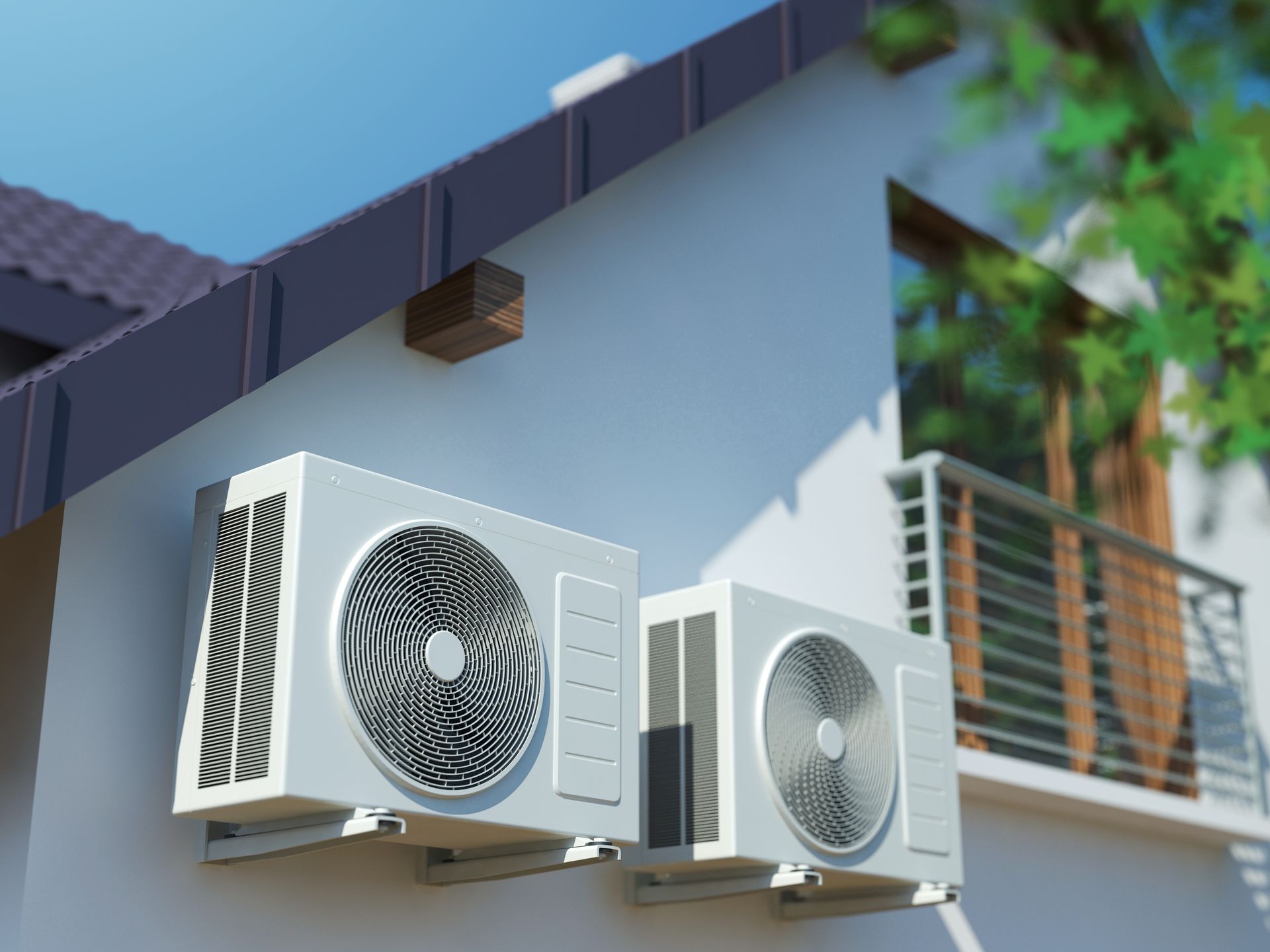
Central Split Systems remain the most common option for larger single-family homes throughout neighborhoods like South End and Movie Colony, offering strong cooling capacity and pairing well with existing ductwork.
Rooftop Package Units are especially common in Palm Springs due to the prevalence of flat-roofed mid-century modern homes. These require specific roof-load and sun-exposure considerations that standard central AC installations do not.
Ductless Mini-Splits are a practical solution for older homes, guest casitas, or additions where running new ductwork would be costly, and offer zoning flexibility for irregular layouts.
Heat Pumps are increasingly the default recommendation under the 2025 code. Modern heat pumps with high SEER2-compliant ratings are an excellent choice for hot climates, translating to lower energy consumption during long, scorching summers.
Regardless of system type, a poorly installed unit means reduced efficiency, frequent breakdowns, and a shorter lifespan. Choosing the right Air Conditioning Installation contractor in Palm Springs, CA, matters as much as choosing the right equipment.
Vacation Rental Owners Have Extra Considerations
Palm Springs has thousands of rental homes, and a system failure mid-booking means guest refunds, bad reviews, and possible code violations. Schedule your new AC installation during the shoulder season (October through February) to avoid peak summer demand, and ask your contractor about post-installation ECC verification so documentation is ready for guests and property managers.
What Happens on Installation Day?
A standard AC installation in Palm Springs typically follows these steps:
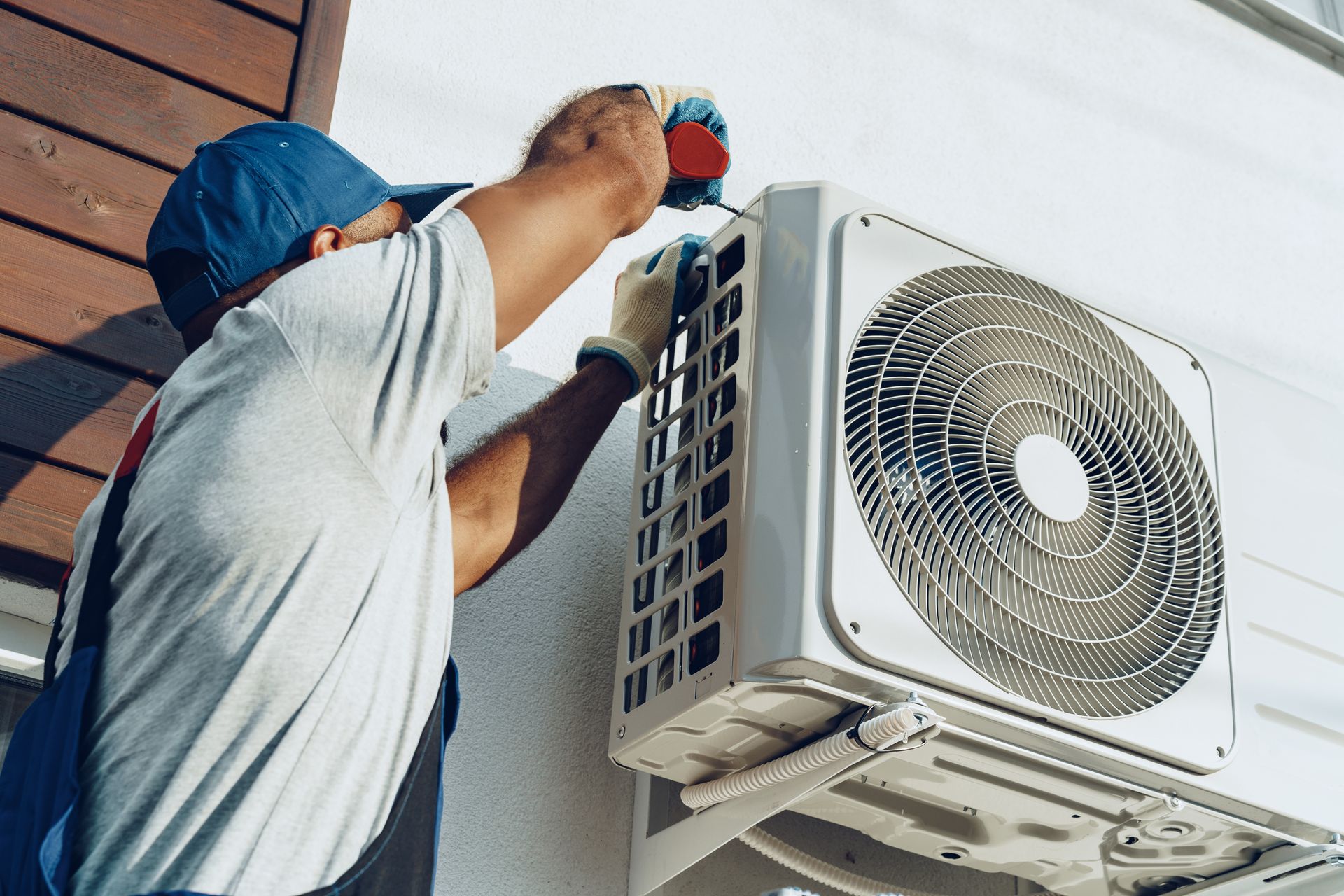
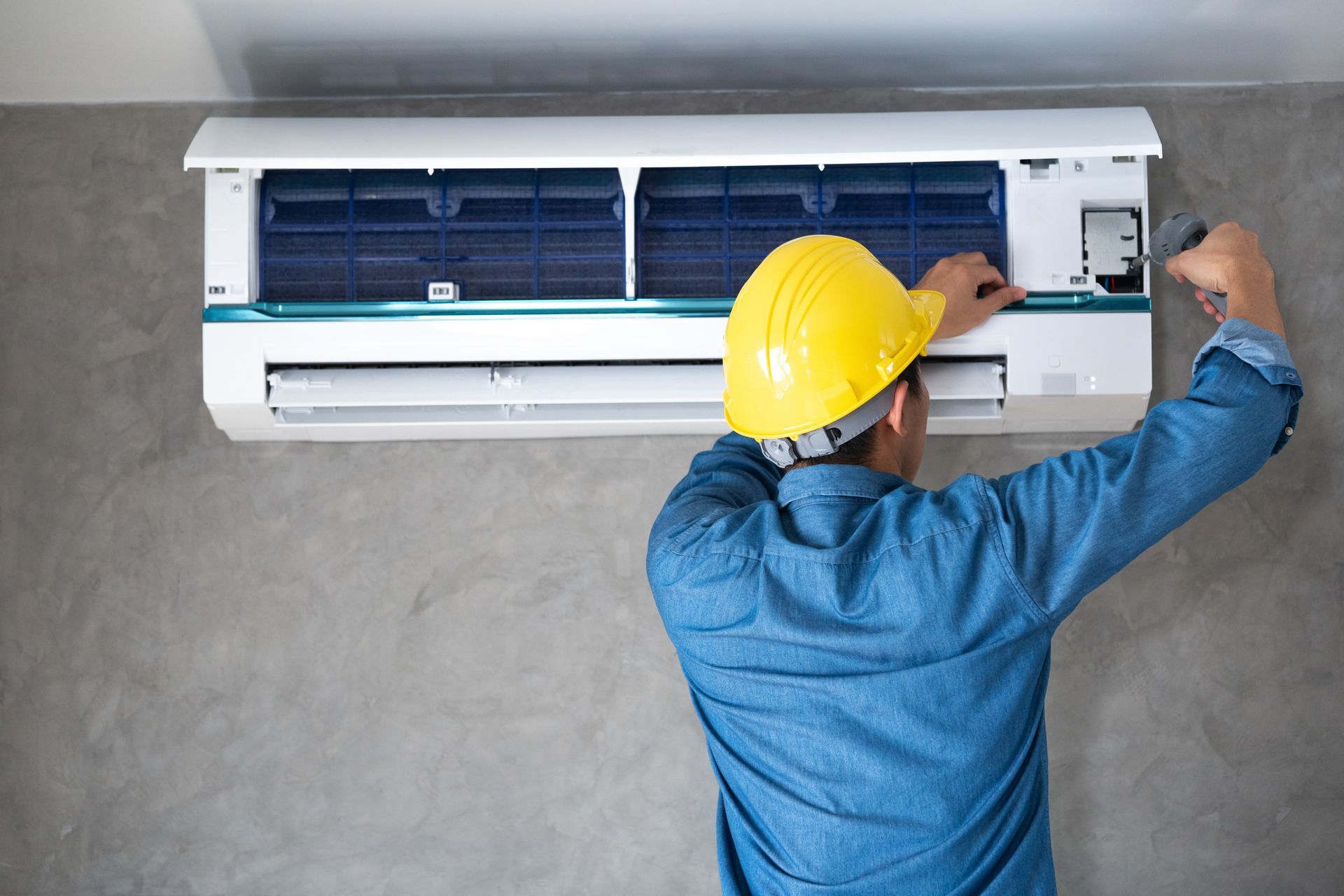
- The old unit is safely removed and refrigerant is reclaimed per EPA requirements.
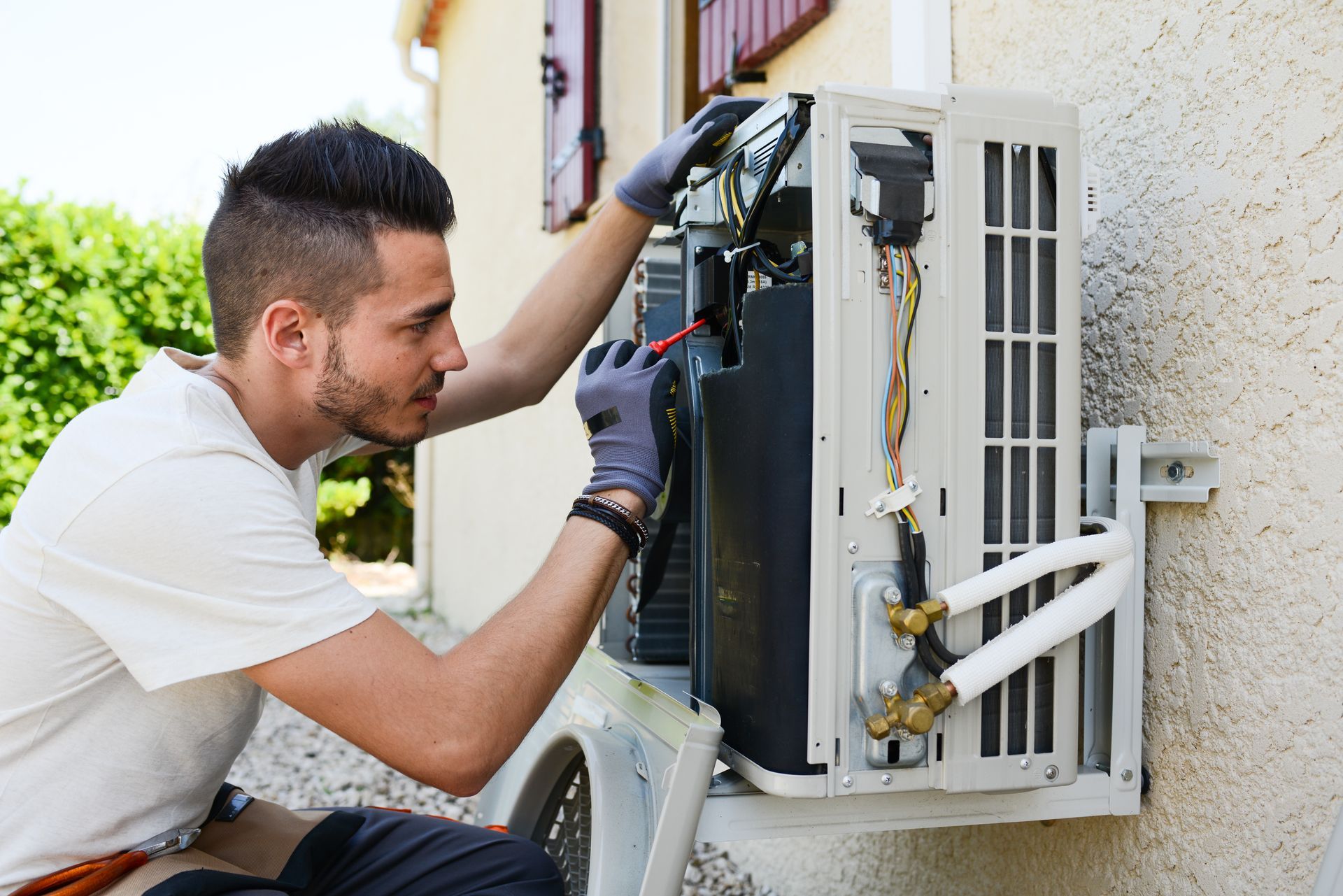
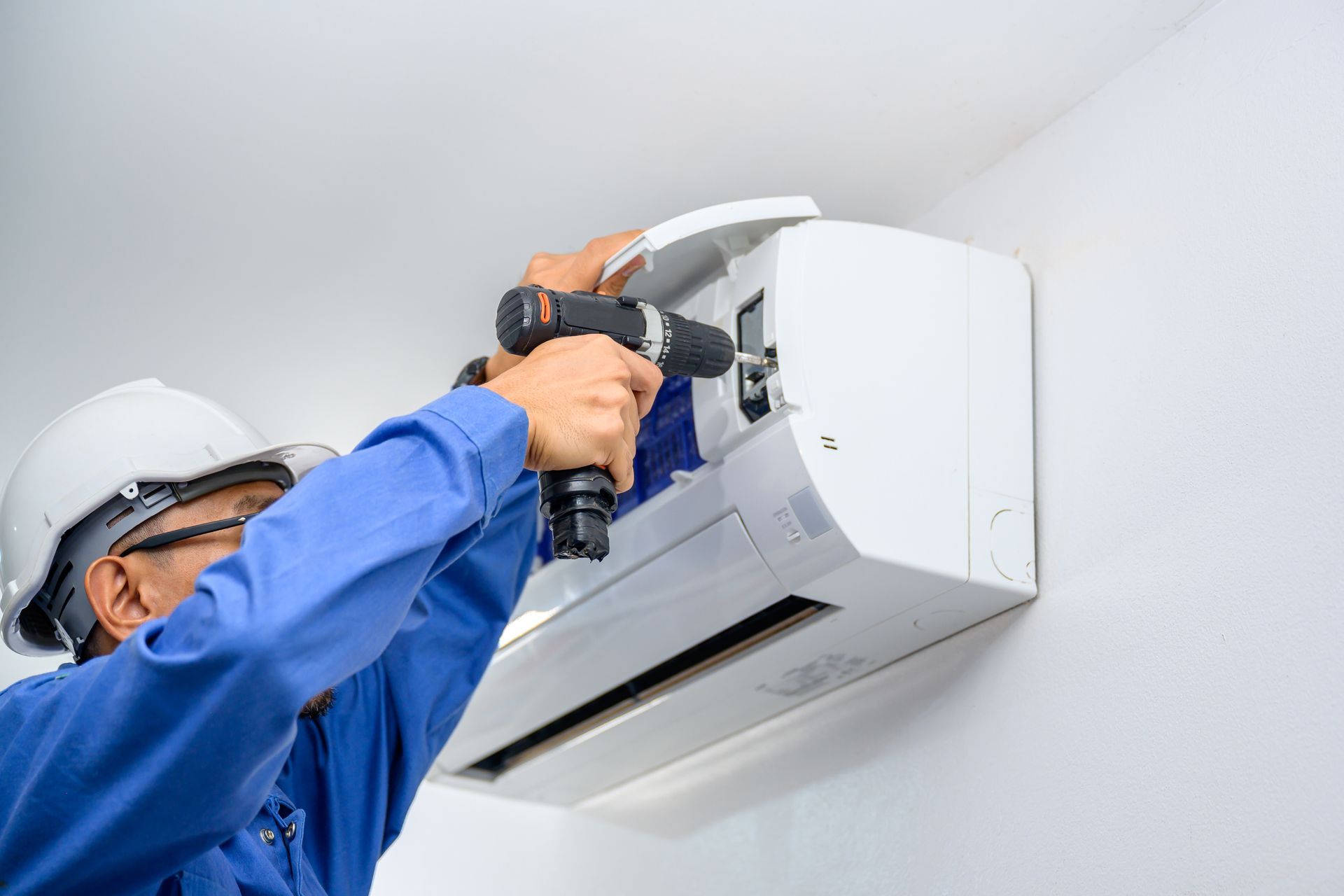
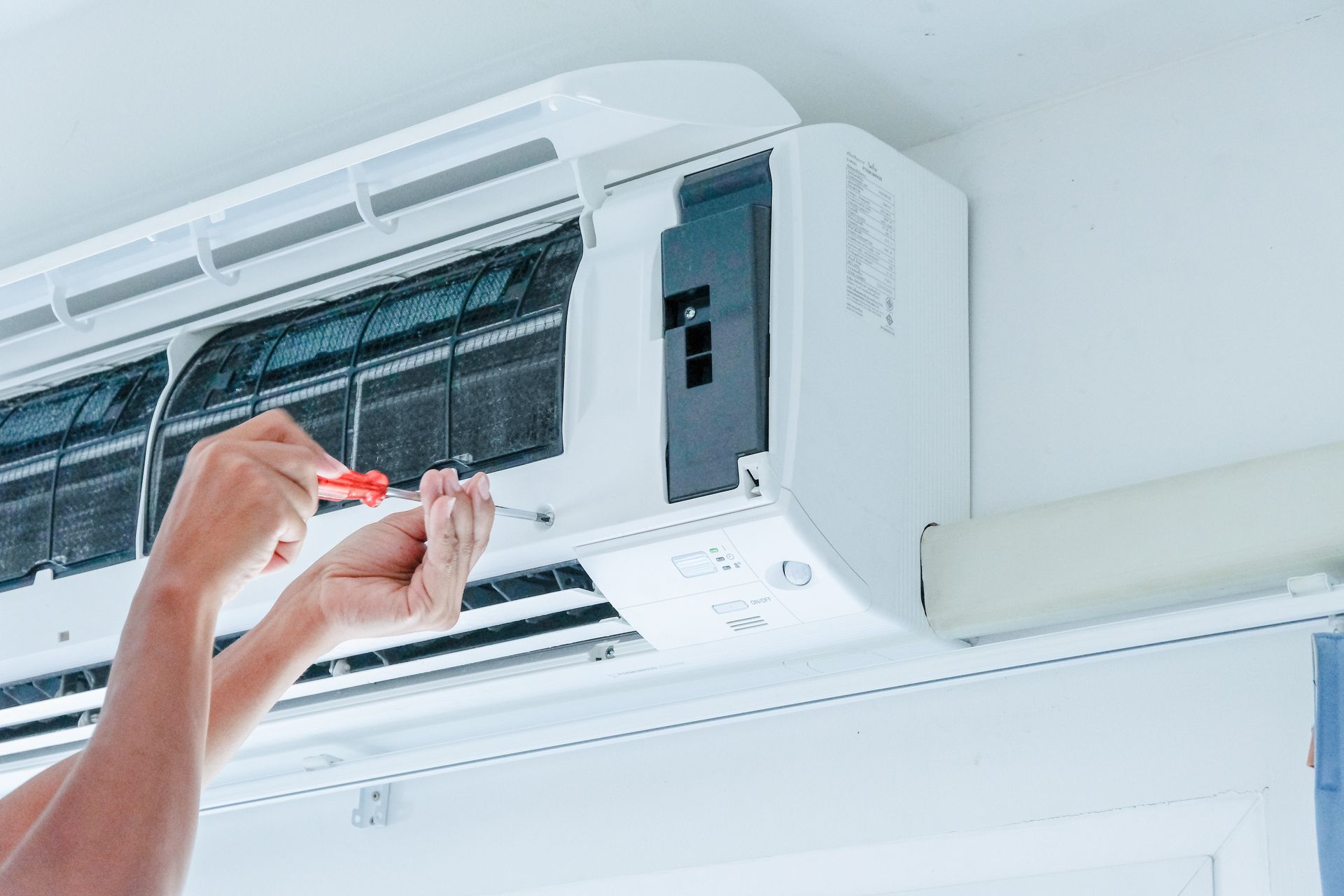
- The new system is placed, refrigerant lines are set, and electrical connections are completed.
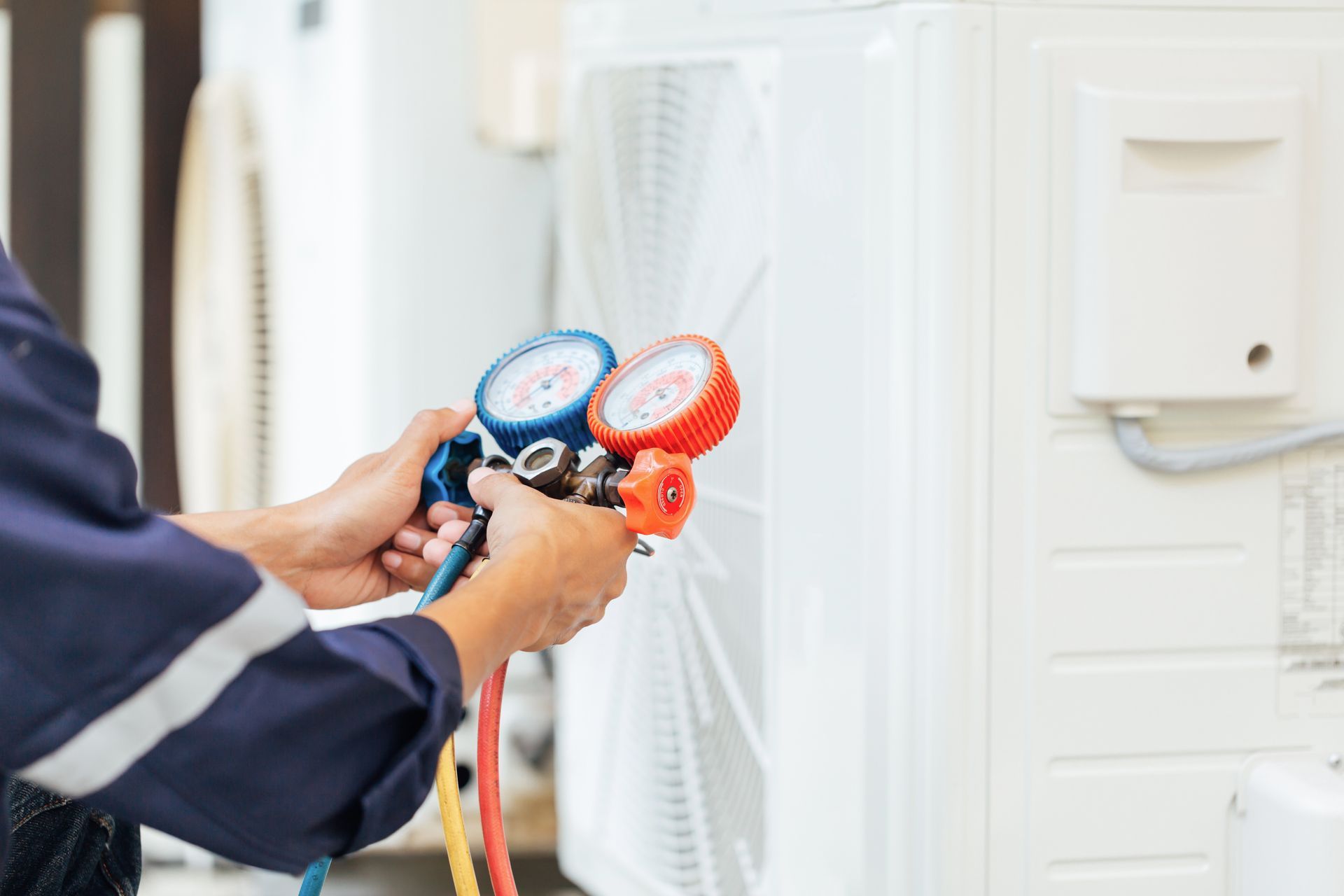
- After the refrigerant is charged to manufacturer specifications, the system is tested for airflow, temperature differentials, and thermostat operation.
- The contractor submits documentation for ECC field verification and closes out the permit.
Plan for limited cooling during installation. On a 110°F Palm Springs afternoon, scheduling a morning start time is worth requesting.
Ready to Schedule Your AC Installation Serving Palm Springs?
The right equipment, sized correctly and installed to current code, keeps your home comfortable through the hottest desert summers while lowering your energy bills. A professional Air Conditioning Installation in Palm Springs, CA, ensures your system meets local code, passes inspection, and performs reliably through years of extreme desert heat.
Mendez Air Conditioning and Heating has served the Coachella Valley for over 24 years and understands the specific demands of desert climate HVAC. To schedule an installation, request a free estimate, or ask about same-day service, visit the
Air Conditioning service page or
contact the team online. You can also call
(760) 343-5041 today.